The Ultimate Dart Guide for Casual and Competitive Players
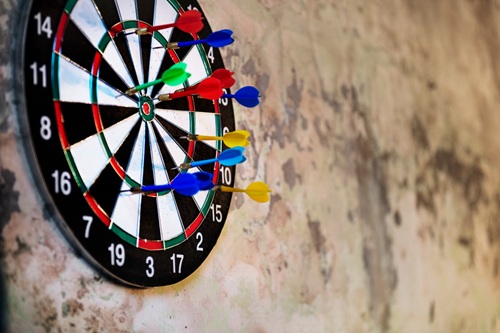
Darts is one of those rare games that’s easy to pick up but takes years to truly master. Whether you’re throwing a few arrows at your local pub with mates or training seriously for competition, dart combines precision, focus, and strategy in a way that’s both addictive and rewarding. In this guide, you’ll get practical, real-world advice drawn from experience—covering everything from choosing the right gear to improving your accuracy and stepping into competitive play.
What Is Dart and Why Is It So Popular?
Dart (commonly referred to as darts) is a precision sport where players throw small missiles (darts) at a circular board fixed to a wall. The goal is to score points by hitting specific segments.
Why people love darts:
- Easy to learn, difficult to master
- Social and competitive at the same time
- Minimal equipment required
- Suitable for all ages and skill levels
Whether you’re playing casually or competitively, darts rewards consistency, patience, and mental focus.
Dart Equipment: What You Actually Need
Getting the right setup makes a massive difference, especially as you progress.
Essential Dart Equipment Checklist
- ✔ Dartboard (bristle boards are the standard)
- ✔ Steel-tip or soft-tip darts
- ✔ Throwing line (oche)
- ✔ Proper lighting
- ✔ Scoreboard or app
Types of Dartboards
| Type | Best For | Pros | Cons |
| Bristle Board | Serious players | Durable, self-healing | Slightly pricier |
| Electronic Board | Casual/home use | Auto scoring, fun features | Less authentic feel |
| Magnetic Board | Beginners/kids | Safe, easy to use | Limited accuracy |
How to Throw a Dart Properly
Mastering your throw is the foundation of your game. It’s not about power—it’s about control and repetition.
Step-by-Step Throwing Technique
1. Get Your Stance Right
- Stand side-on to the board
- Keep your dominant foot forward
- Stay balanced and relaxed
2. Grip the Dart Lightly
- Avoid gripping too tight
- Find a natural hold that feels repeatable
3. Aim with Your Eye, Not Just Your Hand
- Keep your eye level aligned with your target
- Focus on a specific point, not the whole board
4. Smooth, Controlled Release
- Use your forearm, not your whole body
- Follow through towards the target
Common Beginner Mistakes
- Throwing too hard
- Changing stance too often
- Overthinking mid-throw
- Not practising consistently
Popular Dart Games Explained
Darts isn’t just one game—it’s a collection of formats.
1. 501 (Most Popular)
- Start at 501 points
- Subtract your score each round
- Finish on a double
2. Cricket
- Targets numbers 15–20 and bullseye
- Close numbers and score more than your opponent
3. Around the World
- Hit numbers in order from 1 to 20
- Great for practice and beginners
Improving Your Dart Skills (Real-World Tips)
Improvement comes from consistent, focused practice—not just throwing randomly.
Practice Routine That Works
- Warm-up (10 mins): Around the board
- Accuracy drills (15 mins): Aim for trebles
- Game simulation (20 mins): Play 501
- Finish practice (10 mins): Doubles only
Proven Tips from Experienced Players
- Stick to one set of darts—don’t keep switching
- Track your progress weekly
- Practise under pressure (set goals)
- Record your games to analyse mistakes
Casual vs Competitive Dart: What’s the Difference?
Casual Play
- Relaxed environment
- Focus on fun and socialising
- Flexible rules
Competitive Play
- Structured formats (501, tournaments)
- Strict rules and scoring
- Mental pressure and consistency required
Pros and Cons
Casual Darts
- ✔ Fun and social
- ✔ Low pressure
- ✘ Slower improvement
Competitive Darts - ✔ Faster skill development
- ✔ Clear progression
- ✘ Can be mentally demanding
How to Transition from Casual to Competitive
If you’re serious about stepping up your game, here’s how to do it properly.
Step-by-Step Progression Plan
Step 1: Master the Basics
- Consistent stance
- Reliable scoring
- Understanding rules
Step 2: Join Local Competitions
- Pub leagues
- Social tournaments
Step 3: Track Your Stats
- Average score
- Checkout percentage
- First 9 dart average
Step 4: Improve Mental Game
- Stay calm under pressure
- Develop a routine
- Learn from losses
Setting Up Your Dart Space at Home
Creating a proper setup at home can seriously boost your progress.
Ideal Setup Guide
- Board height: 1.73m from floor to bullseye
- Throw distance: 2.37m
- Use proper lighting (no shadows)
- Add a surround to protect walls
Home Setup Checklist
- ✔ Regulation dartboard
- ✔ Measured throwing line
- ✔ Scoreboard or app
- ✔ Comfortable flooring
Safety and Etiquette in Dart
Even though darts is low-risk, proper etiquette matters.
Basic Rules
- Never retrieve darts while someone is throwing
- Stand behind the thrower
- Don’t distract players mid-throw
- Respect scoring disputes calmly
FAQ: Dart for Beginners and Advanced Players
What weight darts should I use?
Most players use darts between 20–26 grams. Beginners often start around 22–24 grams for better control.
How long does it take to get good at darts?
With consistent practice, noticeable improvement can happen within a few months. Competitive-level play can take years.
Is darts more skill or luck?
Darts is overwhelmingly skill-based. Luck plays a minor role, but consistency and technique win games.
Can I practise darts every day?
Yes, but balance is key. Overtraining can lead to fatigue and poor form.
What’s the best way to improve accuracy?
Focus on repetition, consistent technique, and targeted practice drills rather than random throwing.
Final Thoughts: Take Your Dart Game to the Next Level
Darts is more than just a pub game—it’s a sport that rewards discipline, patience, and precision. Whether you’re playing casually with friends or aiming to compete seriously, the key is consistency and intentional practice. Start with the basics, build your routine, and gradually challenge yourself. Over time, you’ll notice sharper accuracy, better scoring, and more confidence under pressure. If you’re serious about improving, set a simple goal today—whether it’s practising for 20 minutes or joining your first local match. Small steps lead to big improvements in darts.